

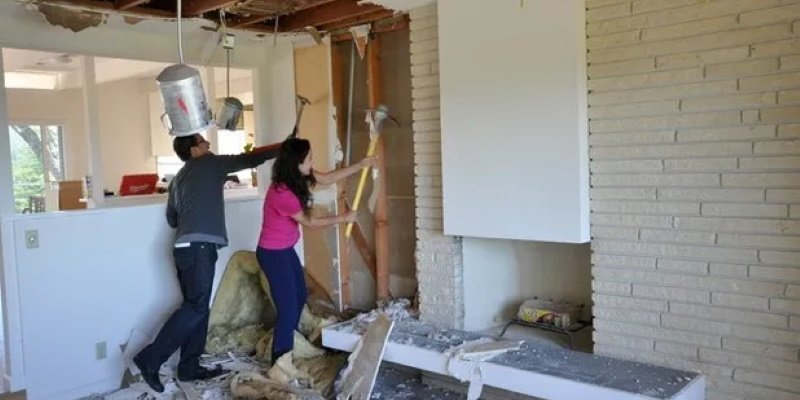
Emma and Ryan thought this was going to be simple. Buy a house. Do a few smart upgrades. Add value. Home Improvement 101. Maybe make a profit later. Then reality hit. Every project came with the same terrifying question: Is this a smart investment… or a money pit wearing a Pinterest filter?
Ryan wanted to DIY everything. Emma wanted to avoid turning their home into a cautionary tale. So they did what every smart homeowner should do before swinging a hammer: they stepped back, ranked the projects that actually move the needle, and separated the upgrades that look impressive from the ones that buyers will pay more for.
This is their case study. And if you’re thinking about remodeling this year, it might save you from making a very expensive mistake.
9 Home Improvement Projects That Could Seriously Boost Your Home Value This Year 🚀💰
A viral-style case study of one couple trying to increase resale value without turning their house into a renovation horror story.
Warning: Most homeowners think every renovation adds value. It doesn’t. Some upgrades make your house more appealing. Others quietly drain your budget, stress your relationship, and impress absolutely nobody. Emma and Ryan were determined not to learn that lesson the hard way.
Why This Home Improvement Guide Hits Harder Than the Usual Advice 📈
Most home improvement articles throw random renovation ideas into a list and call it a strategy. That’s not how Emma and Ryan approached it. They wanted to know which projects improve resale value, which upgrades make daily life better, which ones buyers care about instantly, and which “weekend projects” can spiral into financial regret if handled the wrong way.
That’s why this article is structured as a real-world decision-making case study instead of a bland renovation checklist. Every project below has been framed through the same lens they used: buyer appeal, cost risk, DIY risk, and actual value logic. In other words, not just what looks nice — what works.
⚠️ The Brutal Truth About Home Renovations
Not every renovation adds value. Some upgrades make your life better but do almost nothing for resale. Some cost a fortune and impress nobody. And some look like “easy weekend DIY projects” right up until you’re knee-deep in dust, receipts, regret, and a contractor telling you it will cost double to fix what you started.
Emma’s rule: if the project didn’t improve resale value, daily life, or the structural confidence of the home, it dropped down the priority list.
Ryan’s rule: if YouTube made it look easy, that was probably a warning sign, not encouragement. 😬
The Three Filters They Used Before Approving Any Renovation ✅
If buyers won’t notice it or appraisers won’t respect it, the project had to fight hard for budget.
Not every upgrade needs to be purely for resale — but it does need a purpose.
Some “boring” projects are secretly the most valuable because they prevent major problems later.
🔥 Quick Answer: What Home Improvements Add the Most Value?
If you want the short version: kitchens, bathrooms, curb appeal, roofing, outdoor living spaces, basement waterproofing, and converting wasted space into usable rooms are still some of the most powerful value-boosting moves for homeowners.
But here’s the real secret: the biggest wins usually come from smart, strategic upgrades — not reckless full-scale demo projects.
🏡 Meet the Couple Behind the Renovation Debate
Emma and Ryan live in a solid but dated suburban home. Great street. Great yard. Great potential. But the house had that unmistakable “nothing has been updated since 2004” energy.
The cabinets were tired. The bathroom felt old. The yard looked neglected. The attic was wasted space. The basement smelled just suspicious enough to make Emma narrow her eyes every time it rained.
So they built a plan around one big question:
“Which home improvements make this house more valuable without making us broke, stressed, or trapped in a six-month renovation nightmare?”
That’s the question most homeowners should be asking — and almost nobody does.
Before They Touched Anything, They Ranked Every Project by Four Questions
- Will a buyer notice this within the first five minutes?
- Will this show up positively during inspection or appraisal?
- Will this reduce stress or increase comfort in everyday life?
- Could a DIY mistake here become dramatically expensive?
That filter changed everything. It stopped them from chasing flashy upgrades first and pushed them toward the projects that actually matter.
1. Kitchen Renovation 🍽️💥
If the kitchen looks old, the whole house feels old. That was Emma’s take, and honestly, she was right.
Their kitchen had decent bones, but the visual impact was weak: dated hardware, bland backsplash, poor lighting, and cabinets that made the room feel darker than it really was. Ryan’s first instinct was classic overkill: “What if we tear everything out?”
Emma responded with the sentence that probably saved them thousands of dollars: “What if we don’t?”
Instead of going nuclear, they focused on updates that buyers notice instantly. Painted cabinets. Modern handles. A fresh backsplash. Better lights. Cleaner counters. Better visual flow. Suddenly the kitchen looked newer, brighter, and far more expensive than it actually was.
🚨 Kitchen Mistake Most Homeowners Make
They overspend on a luxury remodel in a non-luxury neighborhood. That’s how you end up with a gorgeous kitchen and disappointing ROI.
✅ Smart Kitchen Upgrades That Feel Expensive
- Paint old cabinets instead of replacing them
- Add a tile backsplash with personality
- Swap builder-grade hardware for modern pulls
- Upgrade pendant or task lighting
- Use lighter colors to make the room feel bigger
- Add practical storage features buyers love
Case study result: Emma and Ryan chose a strategic refresh instead of a demolition spree — and got the kind of transformation buyers notice in photos immediately.
What made the kitchen strategy especially powerful was restraint. They resisted the urge to mistake “more expensive” for “more valuable.” That decision matters because kitchens are where homeowners most often over-improve relative to the neighborhood. A careful refresh can create almost all the emotional impact without swallowing the whole budget.
They also realized the kitchen is one of the most photographed rooms in any listing. That means visual clarity matters. Light surfaces, updated accents, less clutter, and a stronger sense of cleanliness can outperform a chaotic “custom” remodel that feels too specific or too expensive for the market.
2. Replace the Roof Before It Replaces Your Buyer’s Confidence 🏠⚠️
No one walks into a house saying, “Wow, I hope the roof is thrilling.” But they absolutely walk away when the roof looks like a future bill.
Ryan thought roof replacement was boring. Emma called it “the project that stops buyers from mentally subtracting $15,000 the second they pull into the driveway.” She was right again.
A roof doesn’t just protect the house. It protects the deal. It tells buyers the home has been maintained. It reduces fear during inspection. It can improve energy performance. And if it looks worn, patchy, curling, or near the end of its life, it can quietly kill the value of everything else you improved.
Why Roofs Matter More Than Homeowners Want to Admit
A new backsplash makes a listing photo prettier. A new roof makes buyers feel safe. Those are not the same thing. Safety, maintenance confidence, and inspection peace of mind often carry more financial weight than purely decorative improvements.
Verdict: not sexy, not Instagrammable, but absolutely one of the hardest-working value upgrades on this list.
Emma and Ryan also noticed something interesting when talking to neighbors: a roof replacement rarely gets celebrated the same way a trendy kitchen does, but it often removes the biggest objection a future buyer has. That makes it one of the highest-trust improvements you can make.
And trust drives offers. Buyers pay more when they feel like they’re buying a home that has been cared for rather than one they’ll need to rescue.
3. Add a Deck and Sell the Lifestyle 🌞🍹
Buyers don’t just buy square footage. They buy imagined moments. Coffee at sunrise. Summer grilling. Kids playing outside. Friends gathered on a warm evening.
That’s why decks punch above their weight. A good deck doesn’t just add wood to the back of a house — it adds a story buyers want to step into.
Emma immediately pictured string lights, a dining table, and planters. Ryan pictured burgers and a speaker setup. Together, they realized a deck wasn’t just a structure. It was a value-boosting lifestyle feature.
🔥 What Makes a Deck Feel Valuable?
- It connects naturally to the home
- It has enough room to actually use
- It looks intentional, not slapped on
- It feels private, relaxing, and easy to maintain
Decks Win When They Feel Like Outdoor Rooms
Seating, traffic flow, shade options, and visual warmth matter. A deck should feel like an intentional extension of the home, not a leftover project bolted to the rear wall.
Decks Fail When They’re Too Small or Too Awkward
If there’s barely room for a chair, buyers don’t see lifestyle — they see wasted materials. Size and usability matter more than homeowners think.
Clickbait truth: a useless backyard is dead equity. A functional deck can bring that space back to life.
Ryan originally thought decks were mostly about resale photos, but Emma pushed the idea further. A good deck changes how the home is lived in. It expands the usable footprint emotionally, even if not technically. That kind of perceived space is powerful.
4. Backyard Patio = Cheap Luxury Energy ☕✨
If decks are great, patios are the sneaky overachievers. They often cost less, photograph beautifully, and make the yard feel finished instead of forgotten.
Emma loved this project because it felt high impact without being absurdly expensive. Ryan loved it because parts of it were actually DIY-friendly. That combination is rare.
A patio can transform empty outdoor space into a destination. Suddenly the yard is not just “outside.” It’s where coffee happens. Where dinner happens. Where people sit, gather, and imagine themselves living a better life.
Emma’s rule for patios: if you build one, finish the scene. Add planters. Add seating. Add visual warmth. Don’t create a lonely rectangle and call it a lifestyle upgrade. 😅
They also realized patios are powerful because they create a “luxury feeling” without requiring a luxury budget. In resale terms, that’s gold. Buyers remember how a space made them feel. A warm, livable patio feels elevated even when the materials are fairly modest.
5. Bathroom Remodel: Small Room, Massive Judgment 🚿😱
Bathrooms are brutal. Buyers notice everything. The old mirror. The bad lighting. The cheap faucet. The questionable grout. The awkward tub step. The ventilation problem nobody mentions but everybody feels.
Emma knew their bathroom needed help fast. Ryan wanted to save money by doing most of it himself. That was fine — until plumbing, waterproofing, and tile failure entered the conversation.
So they split the project smartly: professionals for the risky stuff, DIY for the aesthetic wins.
🚨 Why Bathrooms Matter So Much
A dated bathroom doesn’t just look bad. It makes the whole house feel less cared for.
✅ Bathroom Upgrades With Serious Payoff
- Modern vanity lighting
- Fresh mirror with cleaner proportions
- Updated faucet and shower hardware
- Cleaner tile lines and grout refresh
- Improved ventilation
- Walk-in shower or lower-threshold access
Bottom line: the bathroom is a tiny room where tiny details scream.
The hidden truth about bathrooms: buyers don’t need the room to be huge. They need it to feel clean, current, bright, and trustworthy. A fresh bathroom suggests the rest of the home has been maintained with the same care.
Emma also understood something Ryan initially underestimated: bathrooms create emotional reactions fast. If a bathroom feels dingy, cramped, or old, it can make the entire house feel like work. If it feels bright and simple, buyers relax.
6. Create a New Room From “Wasted Space” 🛏️🧠
This is where homeowners start seeing hidden money inside their own house.
Emma kept looking at unused square footage and asking the smartest question in renovation: “What is this space failing to be?”
An unfinished basement corner. A weird flex room. A neglected storage area. These spaces are often value just sitting there, waiting for someone to give them a job.
But here’s the trap: not every “extra room” counts the way homeowners think it does. Legal requirements matter. Ceiling height matters. Access matters. Egress matters. Comfort matters.
🔥 Bonus Space Ideas Buyers Love
- Guest room
- Media room
- Workout room
- Playroom
- Home office
- Teen lounge or flex space
Best Use Case
Flexible rooms win because buyers can imagine multiple uses instead of feeling locked into a single layout.
Main Risk
Homeowners often label rooms in ways that don’t match code, safety, or practical comfort.
Value Lesson
Usable finished space matters. Misrepresented space creates disappointment.
Viral-truth version: unfinished space is basically your house leaving money on the table.
Emma and Ryan didn’t rush into this one. They knew the upside was real, but so was the complexity. Turning unused space into actual living value requires more than drywall and optimism. It has to feel legitimate, not improvised.
7. Renovate the Attic Before It Becomes Permanent Storage Purgatory 📚🕸️
Ryan treated the attic like a place where boxes go to disappear forever. Emma saw something else: a remote-work hideaway, reading nook, or guest retreat.
She won.
Attics are tricky because the idea is romantic but the execution can be ugly if you ignore insulation, drafts, access, ceiling slopes, and comfort. A “finished attic” that feels freezing in winter and suffocating in summer is not a value-add. It’s a regret chamber.
Emma’s vision: convert the attic into a peaceful office and reading zone. Not flashy. Not overbuilt. Just smart.
The lesson here is important: hidden square footage only becomes valuable when it becomes believable living space. Comfort, temperature control, and usability are the difference between “bonus room” and “unfinished idea.”
8. Basement Waterproofing: The Least Sexy Upgrade That Might Save Your House 💧🚨
Let’s be honest. Nobody brags about basement waterproofing at dinner parties.
But when buyers smell damp air, see water stains, or hear the word “moisture,” their imagination goes full horror movie.
This is exactly why basement waterproofing matters so much. It protects the structure. It prevents mold. It helps future finishing projects. And it removes one of the biggest invisible trust-killers in a home sale.
Emma noticed a faint musty smell after rain. Ryan wanted to “see if it got worse.” That is how expensive problems become catastrophes.
⚠️ Moisture Warning Meter
Why This Project Hits So Hard on Value
- It protects structural confidence
- It reduces inspection red flags
- It improves air quality perception
- It makes future finished space possible
- It signals responsible homeownership
Hard truth: pretty upgrades on top of moisture problems are just expensive denial.
Emma was right to prioritize waterproofing before future basement finishing. A dry basement is not just a feature — it’s a foundation for every other downstream improvement.
The more they researched, the more obvious the logic became. Waterproofing is not glamorous because it lives beneath the visible layer of homeownership. But that invisible layer is exactly what creates confidence. And confidence sells.
9. Update the Garage and Yard for Instant First-Impression Power 🌳🚗✨
If you want the fastest visual transformation for the money, start outside.
Seriously. Before buyers fall in love with your kitchen, they decide how they feel about your house from the curb. And once that first impression goes bad, every flaw inside hits harder.
Emma and Ryan cleaned the garage, added storage, refreshed the front yard, trimmed hedges, planted flowers, improved the walkway edges, and made the entrance feel intentional. The difference was immediate.
The house looked more expensive before they ever touched the interior.
🔥 Curb Appeal Wins That Work Ridiculously Well
Ryan’s unexpected favorite: the garage cleanup. It made the home feel bigger, more usable, and less chaotic overnight.
This is one of the most underrated categories in the entire article because it combines emotional impact with practical value. It’s fast, visible, and relatively affordable. In other words: one of the best places to start if budget is limited.
🛠️ DIY vs Contractor: The Decision That Saves You From Regret
💣 The Biggest Mistake Homeowners Make
They do the fun projects first.
They buy tile before solving moisture. They upgrade countertops while ignoring the roof. They style outdoor furniture while the yard still looks neglected. They pour money into cosmetic improvements while bigger warning signs quietly destroy value underneath.
Emma refused to let that happen.
She ranked every project like this:
- Protect the house — roof, waterproofing, structural confidence
- Improve what buyers judge fastest — kitchen, bathroom, curb appeal
- Add lifestyle value — patio, deck, bonus space
- Max out wasted square footage — attic, flex room, basement potential
That order is everything.
Renovation Sequence Matters More Than Most Homeowners Realize
If you improve the visible layers of a house while neglecting the foundational ones, the house may look better temporarily but feel riskier overall. Smart homeowners don’t just choose good projects — they choose the right order.
🏆 Emma and Ryan’s Final First-Year Renovation Plan
What makes this plan smart is not just the individual projects — it’s the balance. Immediate visual upgrades keep motivation high. High-confidence improvements reduce future risk. Lifestyle additions create emotional payoff. That combination is how a house improves without the renovation process taking over your life.
❓FAQ: The Questions Homeowners Are Actually Asking
Which home improvement adds the most value?
Usually the kitchen, bathroom, curb appeal improvements, and major maintenance items like roofing or waterproofing. Buyers reward both beauty and confidence.
What is the smartest renovation before selling?
Anything that improves first impressions and removes buyer fear. Paint, landscaping, kitchen refreshes, bathroom improvements, roof issues, and moisture fixes usually beat flashy over-customization.
Should I DIY home renovations to save money?
Yes — but only where mistakes won’t destroy the budget or the house. Cosmetic work is often fair game. Structural, roofing, plumbing, and moisture-related work usually are not.
Does a patio or deck really increase home value?
Yes, especially when it creates a usable outdoor living space buyers can immediately imagine enjoying.
What should homeowners fix first if they have a limited budget?
Start with anything that improves first impressions and prevents future damage. That often means curb appeal, visible cosmetic refreshes, and risk-reduction items like moisture issues or roof concerns before luxury upgrades.
Why do buyers care so much about “boring” projects?
Because boring projects reduce uncertainty. Buyers may fall in love with finishes, but they pay for confidence. A dry basement, solid roof, and well-maintained exterior create the feeling that the home has been responsibly owned.
🚀 Final Verdict: The Projects That Actually Move the Needle
Emma and Ryan discovered something most homeowners learn too late: home value is rarely built by one giant dramatic renovation. It’s built by a sequence of smart moves that make the house look better, feel better, function better, and worry buyers less.
That means:
- A kitchen that feels fresh, not frozen in another decade
- A bathroom that feels clean, bright, and updated
- A roof that doesn’t trigger negotiation panic
- A basement that feels dry and trustworthy
- A yard and garage that create instant curb appeal
- An outdoor living area that sells lifestyle, not just land
- Unused space turned into something buyers can actually value
The biggest takeaway? Don’t renovate to impress yourself for five minutes. Renovate to improve the home in ways that buyers, appraisers, inspectors, and your future self will all recognize immediately.
📈 Final “Do This First” Chart
Translation? If you choose the right projects, this could be the year your house stops feeling “fine” and starts feeling seriously valuable. 💰🏡✨
One last reality check: the biggest return rarely comes from the flashiest renovation. It comes from stacking smart decisions — the kind that improve buyer confidence, visual appeal, daily comfort, and the overall story your home tells the second someone sees it. DIY Consumers.
Final Takeaway for Homeowners ✅
Emma and Ryan didn’t win by doing everything. They won by doing the right things in the right order. That’s the real game in home improvement. Not louder. Not bigger. Smarter. And if you follow that formula, your next renovation might not just improve your house — it could completely change what it’s worth. Plan your home reno project like a pro. DIYHome.app
Know Your DIY Reno Costs Before The Contractor Does
Get professional estimates for: kitchen, bathroom, basement & whole-home renovations
✓ Free Estimation Tool | ✓ Get A Quote In Under 3 Minutes | ✓ Pro Calculator Bundle